David Graeber — Author (18)
萬事揭曉 [Bücher] NeoDB Douban Goodreads
The Dawn of Everything: A New History of Humanity
Autor/in: David Graeber / 林紋沛 Übersetzer/in: 林紋沛 2024 - 8 anderer Titel: 萬事揭曉:打破文明演進的神話,開啟自由曙光的全新人類史
媲美《槍炮、病菌與鋼鐵》《人類大歷史》,探討人類文明的開創性巨作
不自由、不平等、國家體制是文明必然終點?
時代百大風雲人物、《債的歷史》作者 大衛﹐格雷伯(David Graeber)

人文學科最高榮譽Albertus Magnus得主 大衛.溫格羅(David Wengrow)
攜手領航──
一場顛覆文明演進的所有假設、揭示人類全新自由的旅程
「一本顛覆傳統歷史觀,解放思考慣性,開啟無數新研究方向的重磅作品。兩位學者整理了近二、三十年來考古學、民族學的重要發現,對長期以來視為當然的社會演化觀點提出尖銳的質疑,並提出一套新的書寫世界史的可能。無論你是否同意他們壯闊的論證,我們再也無法繼續用過去的方式看待人類的歷史。一本應該要出現在所有人書架上的著作。」
——林開世,台灣大學人類學博物館館長
★★★
「歐威爾政治寫作獎」(Orwell Prize for Political Writing )2022年決選書
《紐約時報》暢銷書榜No. 2
《星期日泰晤士報》《觀察家報》《BBC歷史》年度選書
Amazon編輯選書
★★★
Amazon 4,000條、Goodreads 8,000條五星評等,譯成超過三十種語言,引發全球矚目
閱讀本書的過程中,將伴隨著數百個頓悟時刻。
▍各界推薦
王道還|生物人類學者
林開世|台灣大學人類學博物館館長
洪廣冀|台灣大學地理環境資源學系副教授
陳其南|知名人類學家、前故宮博物院院長
寒波|「盲眼的尼安德塔石器匠」科普作家
超級歪SuperY|說書YouTuber
顏擇雅|作家
▍內容簡介
有意識地避免可能帶來不平等的制度?人類先祖除了狩獵採集之外或許比我們更能「反思」?
用「生產方式」當作人類史論斷依據會有什麼問題?新石器時代人群如何避免農業?
如果沒有遁入層層階級制度與權力關係,社會將可能發展成何種樣貌?
☀ 回到原點,看見人類社會千變萬化的可能
以嶄新視角理解人類歷史,挑戰社會演進的基本假設:從農業興起、城市到國家的起源、民主與不平等的必然路徑。
揭示將人類從束縛中解放的新可能性,讓我們得以想像不同形式的自由,以及組織社會的新方式。
從狩獵採集逐漸轉為農業,人類從部落、村莊走入城市、國家之中;同時,科技和技術不斷發展,我們穿越了石器時代、金屬器時代,邁向工業革命。一切似乎皆如此清晰明瞭。隨著文明進步而逝的是「高貴野蠻人」狀態的自由和平等,只能犧牲那些原初的自由走向「文明化」,而我們也被迫接受不自由的現狀,視之為進步的必要代價。大衛.格雷伯和大衛.溫格羅卻告訴我們──未必如此,還有其他可能!
藉由開創性的考古學與人類學研究,作者揭示當我們暫且擺脫進步觀點的束縛時,人類歷史將以超乎固有想像、無比有趣的方式展開。人類的先祖既非過著田園詩生活的蒙昧孩子,亦非本性兇殘而不得不設法結盟才能生存下去的野蠻人,而是具有複雜人性、批判性、豐富想像力的人群,在人類史的長河中不斷地變換、拆除、重建制度,實驗社會型態的各種可能,同時避免落入「不自由」的處境。不禁令人反思:我們為何會困在此處?
本書根本性地改變了我們對於人類過去的理解,並提供一條新的思維路徑,讓我們得以想像不同形式的自由,以及組織社會的新方法。兩位作者經過十年的精心醞釀,以極具說服力的廣博知識和強而有力的論點,挑戰過去對歷史進程的解讀方式,為人類開創自由新局帶來了希望。
▍國際好評
這不是一本書。這是一場知識盛宴。沒有一章不(充滿樂趣地)破壞根深柢固的知識信念。本書深刻、毫不費力地顛覆過往、事實嚴謹且讀起來令人愉快。——《黑天鵝效應》作者 納西姆﹒尼可拉斯﹒塔雷伯(Nassim Nicholas Taleb)
作者並不滿足於對人類歷史重大問題的不同答案,堅持要徹底改變我們所提出的問題。結果是帶來一場目眩神迷、獨創而令人信服的陳述,展現了「前現代」原住民生活所體現的豐富、有趣、反思且實驗性的討論,亦是對人類學和考古學思想史具有挑戰性的重寫。本書理應成為所有後續研究這些宏大主題的出發點,那些啟航者將擁有無與倫比的領航員──兩位大衛。——當代人類學大師、《反穀》作者 詹姆斯﹒斯科特(James C. Scott)
引人入勝的探究,引導我們重新思考人類能力的本質,以及人類歷史上最自豪的時刻,還有我們與原住民社會的文化和其中被遺忘的知識分子的交流和借鑑。深具挑戰和啟發。——語言學家、現代語言學之父 諾姆﹒杭士基(Noam Chomsky)
這本書就像一顆炸彈,顛覆了我們對人類歷史的一切觀念。──肯﹒弗雷特(Ken Follett),《每日郵報》
無疑是一部新的人類史,在重新審視史前史的基礎上,慶祝人類的自由與可能性,重啟過去讓創造新的未來有所可能。──歷史學家、「歐威爾政治寫作獎」評審團主席 大衛﹒艾傑頓(David Edgerton)
作者成功地推翻了我對世界歷史的所有思考。本書徹底而優雅地反駁了歷史的進化論,引領我們到一個富有智識、創造力並複雜的人類世界,幾千年來發明了幾乎所有可以想像得到的社會形式,並追求自由、知識和實驗。作者不僅揭穿了進步神話,還講述了一段激動人心的思想史,關於神話是如何產生、為何續存,以及對我們希望創造的公正未來意味著什麼。這是我三十年來讀過的最深刻、最令人興奮的書。──美國歷史學家、《自由夢想》(Freedom Dreams)作者 羅賓﹒凱利(Robin D.G. Kelley)
很可能是這十年來最重要的書,因為它打破了我們社會生活不可避免地由國家主導的深深根深柢固的神話。── 詹姆斯﹒麥克唐納(James H. McDonald),《紐約圖書評論》(New York Journal of Books)
人类新史: 一次改写人类命运的尝试 [Bücher] NeoDB Douban Goodreads
The Dawn of Everything : A New History of Humanity
Autor/in: David Graeber / David Wengrow Übersetzer/in: 张帆 / 张雨欣 2024 - 9 anderer Titel: 人类新史
思索人类社会的命运时,我们总会借助大历史的广角镜头。可耳熟能详,甚至被默认为公理的人类发展叙事——从人人平等的狩猎采集小游群到现代民族国家,历经“农业革命”“城市革命”“国家起源”等关键节点——真的反映了事实吗?《人类新史》向我们揭示出,这或许只是一个现代版本的起源神话。

两位作者追本溯源,发现上述理论其实源自18世纪美洲原住民对欧洲殖民者的批判,以及欧洲人做出的保守反击。随后,作者们综合考古学和人类学等领域近年来涌现的突破性成果,展示了人类实际上有过怎样多元和流动的社会组织形态,历史的道路又有过多少分岔与并行。重新理解人类的过去,重新发现人类本就拥有的其他可能性,或许也能赋予我们新的思想资源,去想象一个更具希望的未来。
The Dawn of Everything [Bücher] NeoDB
Autor/in: David Graeber / David Wengrow 2021 - 10
A trailblazing account of human history, challenging our most fundamental assumptions about social evolution--from the development of agriculture and cities to the emergence of the state, political violence, and social inequality--and revealing new possibilities for human emancipation.
For generations, our remote ancestors have been cast as primitive and childlike--either free and equal innocents, or thuggish and warlike. Civilization, we are told, could be achieved only by sacrificing those original freedoms or, alternatively, by taming our baser instincts. David Graeber and David Wengrow show how such theories first emerged in the eighteenth century as a conservative reaction to powerful critiques of European society posed by Indigenous observers and intellectuals. Revisiting this encounter has startling implications for how we make sense of human history today, including the origins of farming, property, cities, democracy, slavery, and civilization itself.
Drawing on pathbreaking research in archaeology and anthropology, the authors show how history becomes a far more interesting place once we learn to throw off our conceptual shackles and perceive what's really there. If humans did not spend 95 percent of their evolutionary past in tiny bands of hunter-gatherers, what were they doing all that time? If agriculture, and cities, did not mean a plunge into hierarchy and domination, then what kinds of social and economic organization did they lead to? What was really happening during the periods that we usually describe as the emergence of the state? The answers are often unexpected, and suggest that the course of human history may be less set in stone, and more full of playful, hopeful possibilities, than we tend to assume.
The Dawn of Everything fundamentally transforms our understanding of the human past and offers a path toward imagining new forms of freedom, new ways of organizing society. This is a monumental book of formidable intellectual range, animated by curiosity, moral vision, and a faith in the power of direct action.
Includes Black-and-White Illustrations
The Dawn of Everything: A New History of Humanity [Bücher] Douban Goodreads Skybridge reviews.pilvit.net Eggplant.place
Autor/in: David Graeber / David Wengrow Verlag: Farrar, Straus and Giroux 2021 - 11 anderer Titel: The Dawn of Everything
A dramatically new understanding of human history, challenging our most fundamental assumptions about social evolution—from the development of agriculture and cities to the origins of the state, democracy, and inequality—and revealing new possibilities for human emancipation.

For generations, our remote ancestors have been cast as primitive and childlike—either free and equal innocents, or thuggish and warlike. Civilization, we are told, could be achieved only by sacrificing those original freedoms or, alternatively, by taming our baser instincts. David Graeber and David Wengrow show how such theories first emerged in the eighteenth century as a conservative reaction to powerful critiques of European society posed by Indigenous observers and intellectuals. Revisiting this encounter has startling implications for how we make sense of human history today, including the origins of farming, property, cities, democracy, slavery, and civilization itself.

Drawing on pathbreaking research in archaeology and anthropology, the authors show how history becomes a far more interesting place once we learn to throw off our conceptual shackles and perceive what’s really there. If humans did not spend 95 percent of their evolutionary past in tiny bands of hunter-gatherers, what were they doing all that time? If agriculture, and cities, did not mean a plunge into hierarchy and domination, then what kinds of social and economic organization did they lead to? The answers are often unexpected, and suggest that the course of human history may be less set in stone, and more full of playful, hopeful possibilities, than we tend to assume.

The Dawn of Everything fundamentally transforms our understanding of the human past and offers a path toward imagining new forms of freedom, new ways of organizing society. This is a monumental book of formidable intellectual range, animated by curiosity, moral vision, and a faith in the power of direct action.
Debt [Bücher] NeoDB Google Books reviews.pilvit.net
Autor/in: David Graeber Verlag: Melville House 2014 - 12
Now in paperback, the updated and expanded edition: David Graeber’s “fresh . . . fascinating . . . thought-provoking . . . and exceedingly timely” (Financial Times) history of debt 

Here anthropologist David Graeber presents a stunning reversal of conventional wisdom: he shows that before there was money, there was debt. For more than 5,000 years, since the beginnings of the first agrarian empires, humans have used elaborate credit systems to buy and sell goods—that is, long before the invention of coins or cash. It is in this era, Graeber argues, that we also first encounter a society divided into debtors and creditors.

Graeber shows that arguments about debt and debt forgiveness have been at the center of political debates from Italy to China, as well as sparking innumerable insurrections. He also brilliantly demonstrates that the language of the ancient works of law and religion (words like “guilt,” “sin,” and “redemption”) derive in large part from ancient debates about debt, and shape even our most basic ideas of right and wrong. We are still fighting these battles today without knowing it.
Bullshit Jobs [Bücher] NeoDB Google Books Eggplant.place Goodreads
Autor/in: David Graeber Verlag: Simon & Schuster 2019 - 5 anderer Titel: Bullshit Jobs / Bullshit Jobs: A Theory
From bestselling writer David Graeber—“a master of opening up thought and stimulating debate” (Slate)—a powerful argument against the rise of meaningless, unfulfilling jobs…and their consequences.

Does your job make a meaningful contribution to the world? In the spring of 2013, David Graeber asked this question in a playful, provocative essay titled “On the Phenomenon of Bullshit Jobs.” It went viral. After one million online views in seventeen different languages, people all over the world are still debating the answer.

There are hordes of people—HR consultants, communication coordinators, telemarketing researchers, corporate lawyers—whose jobs are useless, and, tragically, they know it. These people are caught in bullshit jobs.

Graeber explores one of society’s most vexing and deeply felt concerns, indicting among other villains a particular strain of finance capitalism that betrays ideals shared by thinkers ranging from Keynes to Lincoln. “Clever and charismatic” (The New Yorker), Bullshit Jobs gives individuals, corporations, and societies permission to undergo a shift in values, placing creative and caring work at the center of our culture. This book is for everyone who wants to turn their vocation back into an avocation and “a thought-provoking examination of our working lives” (Financial Times).
债:5000年债务史(一位人类学家,一部5000年债务史,颠覆经典经济学理论。 以人类学角度纵观债务关系,给后疫情时代的全新启示。从疫情中寻找人类社会周期发展的) [Bücher] NeoDB Goodreads
Autor/in: David Graeber / 大卫·格雷伯 2021 - 2 anderer Titel: 债:5000年债务史
<b>Before there was money, there was debt</b><br /><br /> Every economics textbook says the same thing: Money was invented to replace onerous and complicated barter systems—to relieve ancient people from having to haul their goods to market. The problem with this version of history? There’s not a shred of evidence to support it.<br /><br />Here anthropologist David Graeber presents a stunning reversal of conventional wisdom. He shows that for more than 5,000 years, since the beginnings of the first agrarian empires, humans have used elaborate credit systems to buy and sell goods—that is, long before the invention of coins or cash. It is in this era, Graeber argues, that we also first encounter a society divided into debtors and creditors. <br /><br /> Graeber shows that arguments about debt and debt forgiveness have been at the center of political debates from Italy to China, as well as sparking innumerable insurrections. He also brilliantly demonstrates that the language of the ancient works of law and religion (words like “guilt,” “sin,” and “redemption”) derive in large part from ancient debates about debt, and shape even our most basic ideas of right and wrong. We are still fighting these battles today without knowing it.<br /><br /><i>Debt: The First 5,000 Years </i>is a fascinating chronicle of this little known history—as well as how it has defined human history, and what it means for the credit crisis of the present day and the future of our economy.
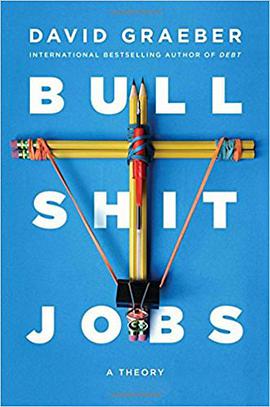
Bullshit Jobs [Bücher] NeoDB Douban Goodreads
David Graeber
Autor/in: David Graeber 2018 - 5 anderer Titel: Bullshit Jobs: A Theory
From bestselling writer David Graeber, a powerful argument against the rise of meaningless, unfulfilling jobs, and their consequences.
Does your job make a meaningful contribution to the world? In the spring of 2013, David Graeber asked this question in a playful, provocative essay titled “On the Phenomenon of Bullshit Jobs.” It went viral. After a million online views in seventeen different languages, people all over the world are still debating the answer.
There are millions of people—HR consultants, communication coordinators, telemarketing researchers, corporate lawyers—whose jobs are useless, and, tragically, they know it. These people are caught in bullshit jobs.
Graeber explores one of society’s most vexing and deeply felt concerns, indicting among other villains a particular strain of finance capitalism that betrays ideals shared by thinkers ranging from Keynes to Lincoln. Bullshit Jobs gives individuals, corporations, and societies permission to undergo a shift in values, placing creative and caring work at the center of our culture. This book is for everyone who wants to turn their vocation back into an avocation.
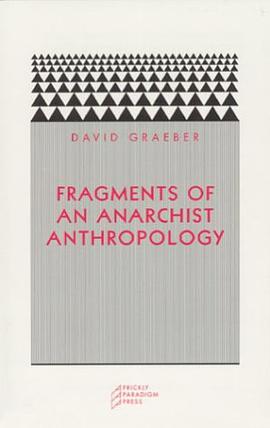
Fragments of an Anarchist Anthropology [Bücher] NeoDB Douban Goodreads Google Books
Fragments of an Anarchist Anthropology
Autor/in: David Graeber 2004 - 4 anderer Titel: Fragments of an Anarchist Anthropology
Everywhere anarchism is on the upswing as a political philosophy - everywhere, that is, except the academy. Anarchists repeatedly appeal to anthropologists for ideas about how society might be reorganized on a more egalitarian, less alienating basis. Anthropologists, terrified of being accused of romanticism, respond with silence...But what if they didn't? This pamphlet ponders what that response would be and explores the implications of linking anthropology to anarchism. Here, David Graeber invites readers to imagine this discipline that currently only exists in the realm of possibility: anarchist anthropology.
O despertar de tudo [Bücher] Eggplant.place Goodreads
Autor/in: David Graeber / David Wengrow 2022 - 8 anderer Titel: O despertar de tudo: Uma nova história da humanidade
Durante séculos, nossos ancestrais foram considerados primitivos e infantis, sendo divididos em duas categorias: iguais, livres e inocentes ou guerreiros e brutais. Com base no pensamento de Jean-Jacques Rousseau e de Thomas Hobbes, a ideia que perdurou ao longo dos anos foi a de que só poderíamos alcançar a civilização sacrificando essas liberdades ou domesticando nossos instintos mais básicos.

Neste livro revolucionário, o antropólogo David Graeber e o arqueólogo David Wengrow demonstram como essas teorias que emergiram no século XVIII foram uma reação à crítica feita por povos indígenas à sociedade europeia – e por que elas estão erradas. Ao oferecer essa nova perspectiva, os autores questionam tudo o que conhecemos sobre as origens da agricultura, da propriedade, das cidades, da democracia, da escravidão e da própria civilização, iluminando outras formas de liberdade e organização social e nos convidando a imaginar qual futuro desejamos para nós mesmos.
Anfänge: Eine neue Geschichte der Menschheit [Bücher] Eggplant.place Goodreads
Autor/in: David Graeber / David Wengrow Verlag: Klett-Cotta 2022 - 1
A dramatically new understanding of human history, challenging our most fundamental assumptions about social evolution—from the development of agriculture and cities to the origins of the state, democracy, and inequality—and revealing new possibilities for human emancipation.

For generations, our remote ancestors have been cast as primitive and childlike—either free and equal innocents, or thuggish and warlike. Civilization, we are told, could be achieved only by sacrificing those original freedoms or, alternatively, by taming our baser instincts. David Graeber and David Wengrow show how such theories first emerged in the eighteenth century as a conservative reaction to powerful critiques of European society posed by Indigenous observers and intellectuals. Revisiting this encounter has startling implications for how we make sense of human history today, including the origins of farming, property, cities, democracy, slavery, and civilization itself.

Drawing on pathbreaking research in archaeology and anthropology, the authors show how history becomes a far more interesting place once we learn to throw off our conceptual shackles and perceive what’s really there. If humans did not spend 95 percent of their evolutionary past in tiny bands of hunter-gatherers, what were they doing all that time? If agriculture, and cities, did not mean a plunge into hierarchy and domination, then what kinds of social and economic organization did they lead to? The answers are often unexpected, and suggest that the course of human history may be less set in stone, and more full of playful, hopeful possibilities, than we tend to assume.

The Dawn of Everything fundamentally transforms our understanding of the human past and offers a path toward imagining new forms of freedom, new ways of organizing society. This is a monumental book of formidable intellectual range, animated by curiosity, moral vision, and a faith in the power of direct action.
Fragmentos de uma Antropologia Anarquista [Bücher] Eggplant.place
Fragments of an Anarchist Anthropology
Autor/in: David Graeber Verlag: Deriva 2011
Por toda parte o anarquismo encontra-se renascendo, florescendo outra vez enquanto filosofia e prática política de transformação social, futura e cotidiana. Em toda parte, menos na academia. Ativistas e teóricos anarquistas frequentemente recorrem às ciências sociais, mais especificamente à antropologia, atrás de ideias de como a sociedade poderia ser organizada, em busca de formas de vida mais igualitárias e menos alienantes. Frente a esta apropriação, não são poucos os antropólogos que horrorizados, passam a acusá-los de romantismo, quando não respondem… com silêncio. Mas e se não o fizessem?

Este livro pondera sobre quais poderiam ser as respostas, e explora as potencialidades e implicações de vínculos possíveis entre a antropologia e o anarquismo. Nele, Graeber convida os leitores a imaginar como seria este campo de saber que, na atualidade, existe apenas no reino das possibilidades: a antropologia anarquista.
Um projeto de democracia [Bücher] Eggplant.place Goodreads
Inventing Democracy: An Idea, a History, a Movement
Autor/in: David Graeber Verlag: Paz & Terra 2015 - 1 anderer Titel: Um Projeto de Democracia - Uma História, Uma Crise, Um Movimento
Um projeto de democracia conta a história da resistência do espírito democrático e da adaptabilidade do conceito de democracia, e faz uma defesa apaixonada da ideia de que a democracia radical é, mais do que nunca, nossa melhor esperança.

Em setembro de 2012, com o movimento Occupy Wall Street, que abalou o centro financeiro de Nova York, surgiram centenas de fóruns políticos, nos quais os norte-americanos comuns podiam falar sobre suas preocupações e seus problemas reais, sem necessariamente se basear no discurso dos comentaristas políticos. Com isso, além de de os participantes do Occupy levarem aos políticos demandas e propostas específicas, deram uma amostra do que a verdadeira democracia pode ser, gerando uma crise de legitimidade em todo o sistema.

Neste livro, David Graeber, autor de Debt e um dos intelectuais e ativistas mais influentes de sua geração, conduz o leitor a uma jornada pela ideia de democracia, reorientando provocativamente nossa compreensão a respeito de grandes momentos históricos, dos quais extrai lições para os dias atuais. Diante da concentração cada vez maior da riqueza e do poder, uma democracia reenergizada e reconcebida, baseada no consenso, na igualdade e na ampla participação, ainda pode oferecer a sociedade justa, livre e igualitária que queremos.
The Utopia of Rules [Bücher] Eggplant.place Douban NeoDB Goodreads
Autor/in: David Graeber Verlag: Melville House 2015 - 2 anderer Titel: The Utopia of Rules: On Technology, Stupidity, and the Secret Joys of Bureaucracy
Where does the desire for endless rules, regulations, and bureaucracy come from? How did we come to spend so much of our time filling out forms?

To answer these questions, anthropologist David Graeber—one of the most prominent and provocative thinkers working today—takes a journey through ancient and modern history to trace the peculiar and fascinating evolution of bureaucracy over the ages.

He starts in the ancient world, looking at how early civilizations were organized and what traces early bureaucratic systems have left in the ethnographic literature. He then jets forward to the nineteenth century, where systems we can easily recognize as modern bureaucracies come into being. In some areas of life—like with the modern postal systems of Germany and France—these bureaucracies have brought tremendous efficiencies to modern life. But Graeber argues that there is a much darker side to modern bureaucracy that is rarely ever discussed. Indeed, in our own “utopia of rules,” freedom and technological innovation are often the casualties of systems that we only faintly understand.

Provocative and timely, the book is a powerful look and history of bureaucracy over the ages and its power in shaping the world of ideas.
O anarquismo no século 21 [Bücher] Eggplant.place
Autor/in: David Graeber Verlag: Monstro dos Mares 2017
Está cada vez mais claro que a era das revoluções não acabou. E torna­-se da mesma forma evidente que o movimento revolucionário global no século XXI terá origens que remontam menos à tradição do marxismo, ou mesmo do socialismo no sentido estrito, que à do anarquismo. Em todo lugar, do Leste Europeu à Argentina, de Seattle a Bombaim, as ideias e os princípios anarquistas geram novos sonhos e visões radicais.
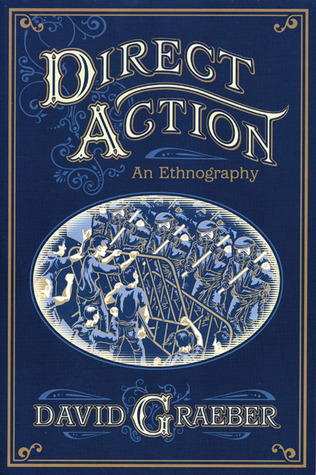
Direct Action [Bücher] Eggplant.place Goodreads
Autor/in: David Graeber Verlag: AK Press 2009 - 9 anderer Titel: Direct Action: An Ethnography
Anthropologist David Graeber undertakes the first detailed ethnographic study of the global justice movement. The case study at the center of Direct Action is the organizing and events that led to the one of the most dramatic and militant mass protests in recent years—against the Summit of the Americas in Québec City. Written in a clear, accessible style (with a minimum of academic jargon), this study brings readers behind the scenes of a movement that has changed the terms of debate about world power relations. From informal conversations in coffee shops to large “spokescouncil” planning meetings and tear gas-drenched street actions, Graeber paints a vivid and fascinating picture.

Along the way, he addresses matters of deep interest to anthropologists: meeting structure and process, language, symbolism and representation, the specific rituals of activist culture, and much more. Starting from the assumption that, when dealing with possibilities of global transformation and emerging political forms, a disinterested, “objective” perspective is impossible, Graeber writes as both scholar and activist. At the same time, his experiment in the application of ethnographic methods to important ongoing political events is a serious and unique contribution to the field of anthropology, as well as an inquiry into anthropology’s political implications.
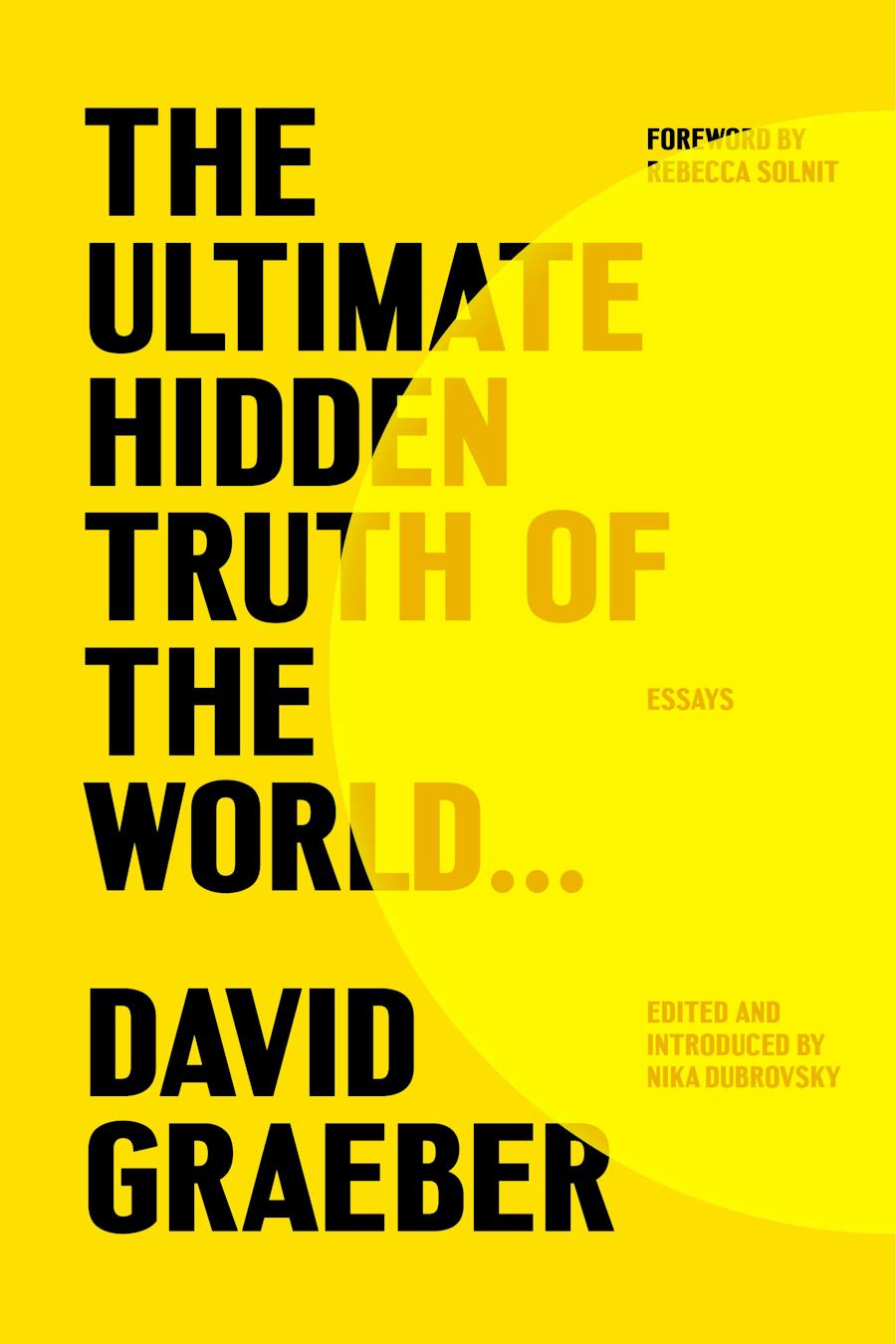
The Ultimate Hidden Truth of the World . . . [Bücher] Eggplant.place Goodreads
Autor/in: David Graeber Verlag: Farrar, Straus and Giroux 2024 - 11 anderer Titel: The Ultimate Hidden Truth of the World
Drawn from more than two decades of pathbreaking writing, the iconic and bestselling David Graeber's most important essays and interviews.

"The ultimate hidden truth of the world is that it is something that we make, and could just as easily make differently," wrote David Graeber. A renowned anthropologist, activist, and author of such classic books as Debt and the breakout New York Times bestseller The Dawn of Everything (with David Wengrow), Graeber was as well-known for his sharp, lively essays as he was for his iconic role in the Occupy movement and his paradigm-shifting tomes.

There are converging political, economic, and ecological crises, and yet our politics is dominated by either business as usual or nostalgia for a mythical past. Thinking against the grain, Graeber was one of the few who dared to imagine a new understanding of the past and a liberatory vision of the future—to imagine a social order based on humans’ fundamental freedom. In essays published over three decades and ranging across the biggest issues of our time— inequality, technology, the identity of “the West,” democracy, art, power, anger, mutual aid, and protest—he challenges the old assumptions about political life. A trenchant critic of the order of things, and driven by a bold imagination and a passionate commitment to human freedom, he offers hope that our world can be different.

During a moment of daunting upheaval and pervasive despair, the incisive, entertaining, and urgent essays collected in The Ultimate Hidden Truth of the World . . . , edited and with an introduction by Nika Dubrovksy and a foreword by Rebecca Solnit, make for essential and inspiring reading. They are a profound reminder of Graeber’s enduring significance as an iconic, playful, necessary thinker.
Piraten: Auf der Suche nach der wahren Freiheit [Bücher] Goodreads
Autor/in: David Graeber / Werner Roller Verlag: Klett-Cotta 2023 - 1
Das Schauspiel sagenumwobener Piraten, ihrer Königreiche, Gräueltaten und anarchistischen Utopien erregte im 18. Jahrhundert in der ganzen Welt Aufsehen. Gerüchte verbreiteten sich wie ein Lauffeuer, schockierten und inspirierten die europäischen Eliten. Piraten und Freibeuter schufen die wirklich revolutionären Ideen für eine offene Weltgemeinschaft. Aus diesen utopischen Vorstellungen schlägt David Graeber seine intellektuellen Funken, um seine Leser zu elektrisieren.

David Graeber, der bedeutendste Anthropologe unserer Zeit, provoziert: Der Westen belügt sich und die Welt über seine Geschichte, seinen Eurozentrismus, seinen Rassismus und seine kapitalistische Ideologie. Wechseln wir die Perspektive, wird Geschichte mit einem Schlag wieder lebendig, denn hier geht es um Menschen, um ihre Freiheit und ihren riskanten Alltag. Mit David Graeber tauchen wir ein in die ›andere‹, anarchistische Geschichte von Magie, Lügen, Seeschlachten, Sklavenaufständen, Menschenjagden, Königreichen, Spionen und Juwelendieben. Die Welt der Abenteuer verbindet sich mit historischen Fakten und literarischer Phantasie. Am Rand der Welt – in Madagaskar, in der Karibik oder im Orient – spüren wir dem Ursprung von Freiheit, Anarchie und Demokratie nach, die nicht im Westen entdeckt, sondern von ihm gekapert wurden. Mitreißend erzählt David Graeber diese Gegengeschichte und entdeckt souverän »nie begangene Wege« für unsere aus den Fugen geratene Welt.